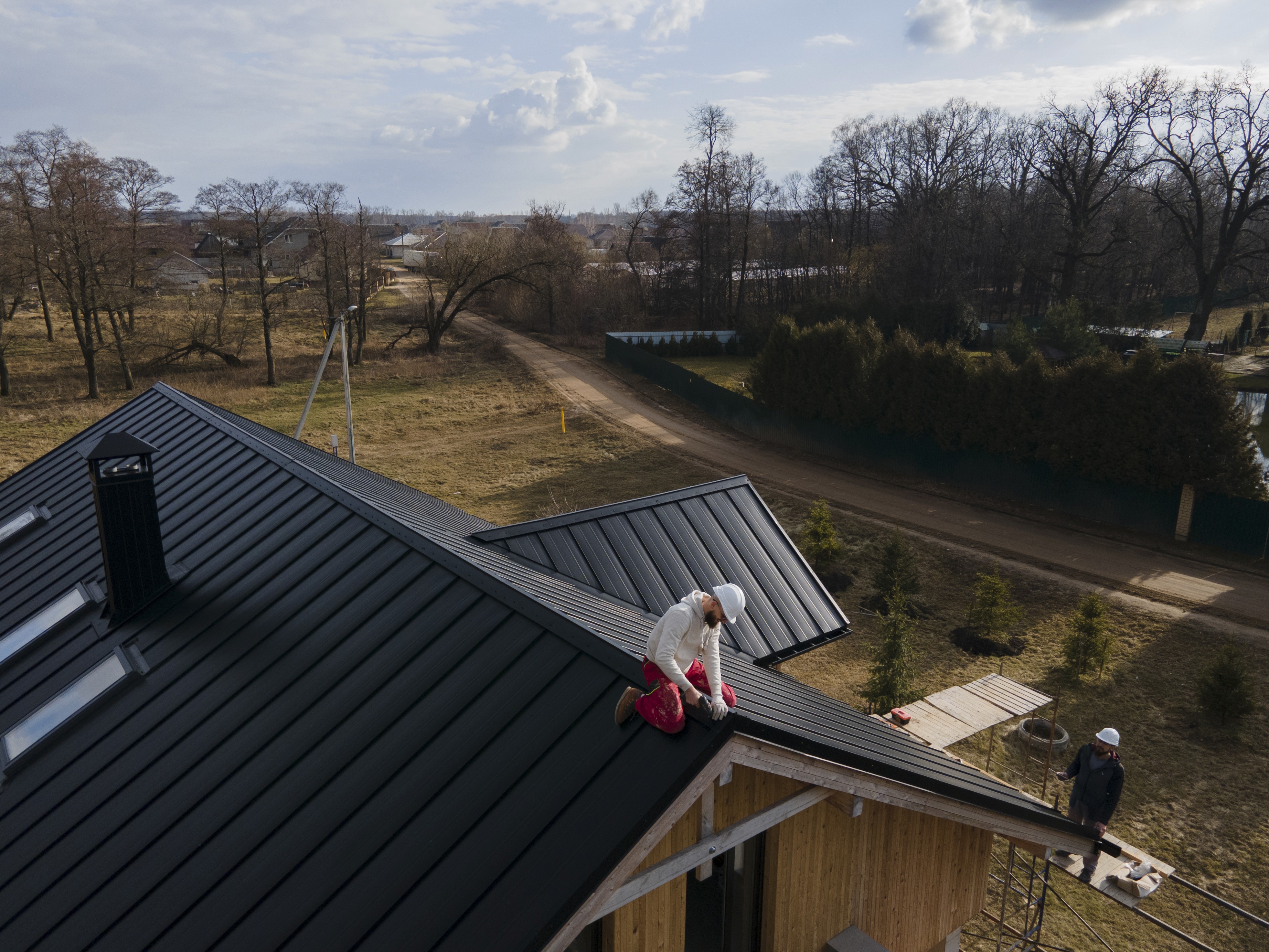
Storm season in Queensland has a familiar rhythm for roofers. The first big cell rolls through, the phones light up, and for the next few months the crews are flat out patching, tarping, replacing sheets and fixing gutters. The work is good. The paperwork that follows it is another story.
At AI4Tradies, we spend a lot of time with trades offices at exactly this point in the year. The pattern we hear most often is simple: the jobs get done, the invoices go out, and then nobody has the hours left to follow them up. This article looks at why that happens in roofing specifically, and how AI can help you chase overdue invoices automatically without losing the personal touch your customers expect.
Why Storm Season Makes Invoice Chasing Harder for Roofers
More Jobs, Fewer Quiet Moments
In a normal month, someone in the office might sit down on a Friday afternoon, run through the outstanding list and make a few calls. During storm season, that Friday afternoon disappears. Urgent call-outs, rescheduled jobs and material orders take every spare minute, and following up last month's invoices slides to the bottom of the pile.
Insurance Work Runs on Someone Else's Clock
A big share of storm work goes through insurers, assessors and builders managing claims. Payment often depends on paperwork being lodged correctly, photos being supplied and approvals moving through several hands. When an invoice stalls, it is rarely because anyone is refusing to pay. It is usually because something is sitting in a queue and nobody has asked about it.
Homeowners Mean Well but Forget
Then there are the excess payments and private jobs. Most homeowners fully intend to pay. They have just had a stressful week, the invoice landed in a busy inbox, and a polite reminder is all it takes. The problem is that sending those reminders, one by one, across dozens of jobs, is a lot of small tasks for an office that is already running off its feet.
What It Means to Chase Overdue Invoices Automatically
When we talk about helping roofers chase overdue invoices automatically, we mean using an AI agent to take the repetitive part of follow-up off your office's plate while keeping the judgement with your people.
In practice, that looks like this:
Spotting what is overdue. The system checks your existing accounting and job records each day and flags invoices that have passed their due date.
Drafting the right message. The AI looks at the job, the customer type and the payment history, then writes a reminder in your business's tone. A friendly nudge for a homeowner a few days late reads very differently from a follow-up to an assessor on a claim that has been sitting for three weeks.
Sending on a schedule you set. First reminder, second reminder, then a flag for a phone call. Your rules, your timing.
Handing the tricky ones back. Disputed amounts, unhappy customers or anything unusual goes straight to a person, with the history laid out so they can pick it up quickly.
Nothing goes out unseen unless you have decided it can. Plenty of businesses start by approving every message, then relax that for the routine first reminders once they are comfortable with the tone.
How This Works in a Roofing Business
It Sits on Top of What You Already Use
There is no new system for your office to learn. The agent works with the tools you already run for quoting, job management and invoicing. Your team keeps working the way they do now; they just stop having to build the follow-up list by hand.
Different Customers, Different Approaches
A roofing business usually has three kinds of debtors: homeowners, insurers or their assessors, and builders or property managers. Each needs a different tone and a different set of details. An insurer follow-up might reference the claim number and confirm all documents were supplied. A homeowner reminder might simply include a payment link and a thank you for their patience after the storm.
Why AI and Not Just a Reminder Template?
Most invoicing software can send a standard reminder at seven, fourteen and thirty days. That works until it doesn't. A template sends the same message to a homeowner who forgot and an insurer still waiting on your photos. AI can read the context around each invoice, such as a reply saying "awaiting assessor sign-off", and adjust what happens next. Sometimes that means a different message. Sometimes it means pausing the reminders and flagging the job for your office to sort out the missing document first.
Your Office Stays in Control
The aim is to give your office manager back the hours spent on routine follow-up, so they can put that time into the conversations that actually need them. A late payment from a long-standing builder client is a relationship question, and that call is best made by someone who knows them.
Where to Start
The roofers who get the most out of this tend to start small. Pick the one job costing your office the most time, and for many that is invoice follow-up during storm season. Set it up for one customer type first, check the messages for a few weeks, then expand from there.
It also pays to ask a few questions before you begin:
Which invoices take the longest to get paid, and why?
Which customers would welcome a reminder, and which would rather get a call?
What should always come back to a person?
Answering those gives you a clear set of rules, and good rules make the whole thing feel natural to your customers.
How AI4Tradies Can Help
We are a Brisbane-based team that builds custom AI agents for trades and construction businesses, around the repetitive work their office does every day. We work alongside your people, never in place of them. If you would like to see how many hours your office could get back, our capacity calculator takes four questions and gives you an estimate on the spot. And if you want to talk through whether it makes sense to chase overdue invoices automatically in your business, we are always happy to have that conversation, including telling you if now is not the right time.